

Panic Attack Symptoms: Understanding the Signs and Seeking Help
At Lift Up Live Well Mental Healthcare, Nerisa Bryan, NP, helps patients recognize panic attack symptoms and understand when to seek support. Through compassionate evaluations and personalized guidance, she provides effective strategies to manage overwhelming feelings, regain control, and improve emotional well-being. Nerisa ensures each patient receives calm, supportive care tailored to their needs. For more information, contact us or schedule an appointment online. We are conveniently located at 99 Main Street Suite 216 Nyack, NY 10960.
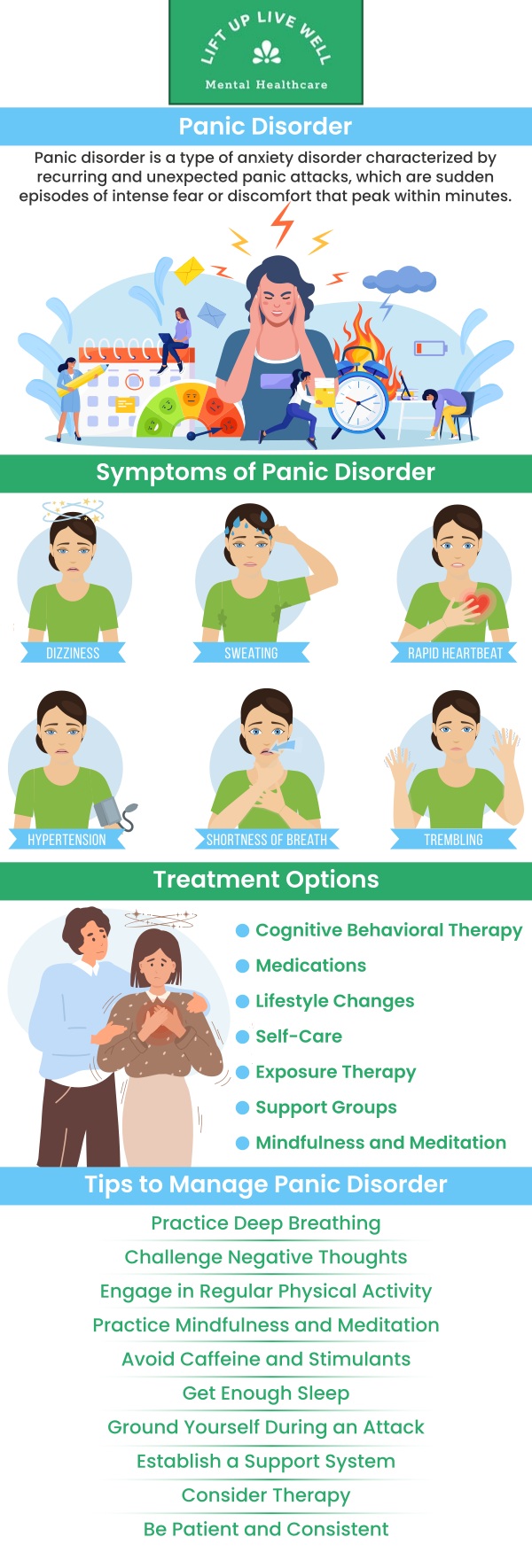
Table of Contents:
What are the most common symptoms of a panic attack?
How do panic attacks differ from anxiety attacks?
Can panic attacks happen without warning?
What causes panic attacks?
Understanding Panic Attack Triggers and Symptoms with Nerisa Bryan, NP, PMHNP at Lift Up Live Well
At Lift Up Live Well Mental Healthcare, we understand how overwhelming and frightening panic attacks can be. A panic attack is a sudden episode of intense fear or discomfort that typically reaches its peak within minutes. Common symptoms include a racing or pounding heartbeat, chest pain or discomfort, and shortness of breath or a sensation of being smothered, which can make it feel difficult to breathe. Sweating, trembling, or shaking are also frequent, as well as a sense of choking.
Many individuals experience nausea or abdominal distress during a panic attack, along with dizziness, light-headedness, or feelings of unsteadiness. Other symptoms might include chills or hot flashes, numbness or tingling sensations, and feelings of detachment from reality or oneself—known as depersonalization or derealization. It’s also common to feel a fear of losing control, “going crazy,” or even dying.
While these symptoms are very real and distressing, it’s important to remember that panic attacks are not life-threatening. Our compassionate team is here to help you recognize and understand these experiences, and to guide you toward effective coping strategies and support. If you or a loved one is struggling with panic attacks, reach out to us—together, we can help you lift up and live well.
At Lift Up Live Well Mental Healthcare, we believe that understanding mental health challenges is the first step toward effective treatment and lasting well-being. Many people use the terms “panic attack” and “anxiety attack” interchangeably, but it’s important to recognize their key differences—especially when seeking care and support.
Panic attacks are sudden episodes of intense fear or discomfort, often reaching their peak within minutes. These episodes may happen without warning, even when you’re feeling calm. Common symptoms include a racing heart, sweating, trembling, chest pain, shortness of breath, dizziness, and a sense of unreality or fear of losing control. Panic attacks are a hallmark of panic disorder, but can also occur in other mental health conditions.
Anxiety attacks, on the other hand, aren’t formally defined in the Diagnostic and Statistical Manual of Mental Disorders (DSM-5), but the term is often used to describe periods of heightened anxiety. Unlike panic attacks, anxiety attacks tend to develop gradually in response to stress or a perceived threat. Symptoms may include excessive worry, restlessness, irritability, muscle tension, and trouble concentrating. While distressing, anxiety attacks are generally less intense and more prolonged than panic attacks.
Our experienced clinician can help you identify whether you’re experiencing panic attacks, anxiety attacks, or both. Understanding the difference allows us to tailor your treatment plan using evidence-based therapies and compassionate support. If you or a loved one is struggling with anxiety or panic symptoms, we’re here to help you lift up and live well, every step of the way.
We understand how disruptive and frightening panic attacks can be—especially when they happen without any apparent cause. While many people associate panic attacks with stressful or anxiety-provoking situations, it’s important to know that these episodes can occur unexpectedly, even when you feel calm or are in a familiar, safe environment. These sudden, unprovoked episodes—sometimes called “unexpected” or “uncued” panic attacks—are a common feature of panic disorder, but they can also affect people who do not have a diagnosed anxiety condition.
During an unexpected panic attack, you might experience intense physical and psychological symptoms such as rapid heartbeat, chest pain, shortness of breath, dizziness, sweating, trembling, and overwhelming fear or a sense of impending doom. The unpredictable nature of these attacks can make them particularly distressing, and may lead to worries about when or where the next episode might occur. This anxiety can significantly impact daily life and can sometimes lead to avoiding certain situations or places.
If you or someone you care about is experiencing panic attacks—whether they seem to have a clear cause or happen without warning—know that you’re not alone. Our compassionate team offers evidence-based treatments, including therapy and, when appropriate, medication, to help you manage symptoms and regain a sense of control.
At Lift Up Live Well Mental Healthcare, we understand that panic attacks can be frightening and overwhelming experiences that often arise without warning. Our team recognizes that the causes of panic attacks are complex and unique to each individual. Genetics can play a significant role—if you have a family history of panic disorder or anxiety, you may be more susceptible to experiencing similar symptoms.
Life’s challenges, such as the loss of a loved one, relationship changes, or job stress, can also trigger panic attacks, especially for those already managing anxiety. At Lift Up Live Well, we work with you to identify and address these stressors in a supportive environment.
Biological factors are also important to consider. Imbalances in brain chemicals like serotonin and norepinephrine can disrupt your mood and stress response, increasing the risk of panic episodes. Our clinicians are trained to recognize when medical conditions—such as thyroid issues, heart irregularities, or respiratory problems—may be contributing to your symptoms. We also help you explore the potential impact of substances like caffeine, alcohol, or drugs, which can sometimes provoke or worsen panic attacks.
Panic attacks can feel alarming, but learning the signs makes them more manageable. Nerisa Bryan educates patients on physical and emotional symptoms, empowering them to recognize triggers and seek support before symptoms escalate.
Many people who are sensitive to stress or who tend to interpret physical sensations as signs of danger may be more prone to panic attacks. For example, noticing a rapid heartbeat and fearing a heart problem can quickly escalate into a panic episode. We offer personalized treatment approaches that address the combination of genetic, biological, psychological, and environmental factors affecting you. For more information, contact us or schedule an appointment online. We are conveniently located at 99 Main Street Suite 216 Nyack, NY 10960. We serve patients from Murray Hill NY, Manhattan NY, Lower Manhattan NY, Harlem NY, Hell’s Kitchen NY, Lenox Hill NY and surrounding areas of New Jersey.

ADDITIONAL SERVICES YOU MAY NEED

ADDITIONAL SERVICES YOU MAY NEED


 Send Text
 How May I Help You?