

What Are the Most Common Signs and Symptoms of ADHD?
At Lift Up Live Well Mental Healthcare, Nerisa Bryan, NP, PMHNP, educates patients on common ADHD symptoms. These may include inattention, impulsivity, restlessness, and difficulty with organization. Recognizing these signs is key to early evaluation and support. For more information, contact us or schedule an appointment online. online. We are conveniently located at 99 Main Street Suite 216 Nyack, NY 10960.
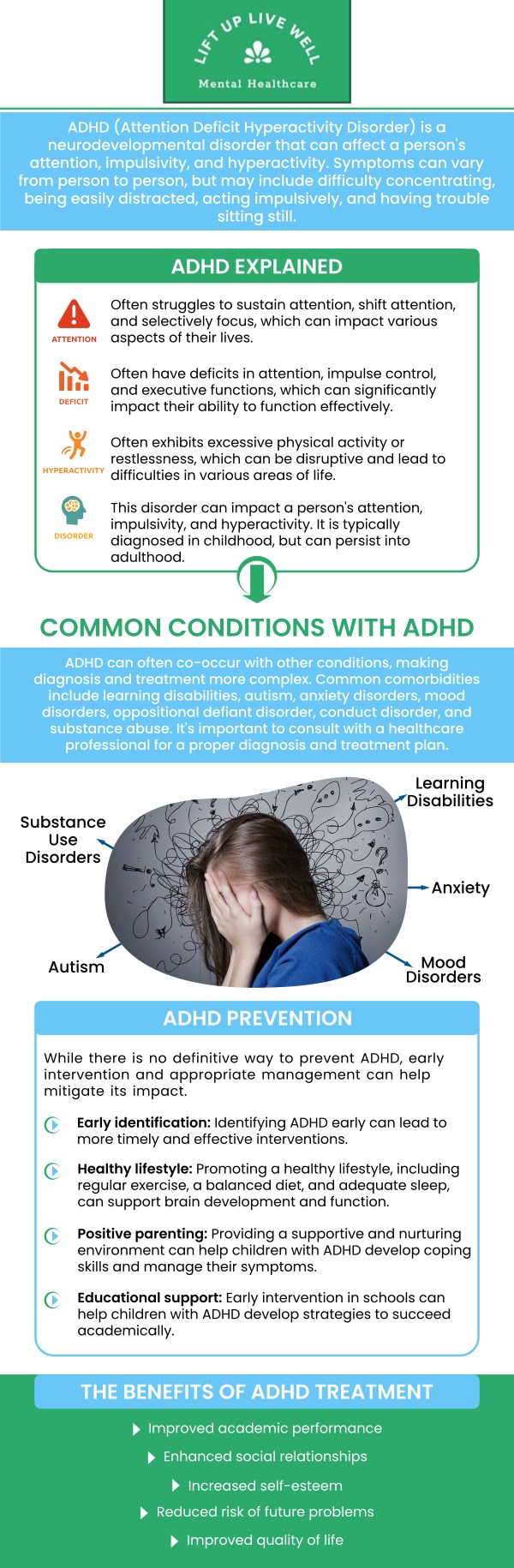
Table of Contents:
What are the common symptoms of ADHD? Do ADHD symptoms look different in children and adults?
At what age do ADHD symptoms usually start?
Can impulsivity cause problems in everyday life?
Can ADHD cause emotional outbursts?
Can ADHD affect time management?
Why Identifying ADHD Symptoms is Key to Managing Them with Nerisa Bryan, NP, PMHNP?
ADHD is commonly associated with patterns of inattention, impulsivity, and hyperactivity, though these traits present differently from one person to the next. Some individuals struggle most with sustaining focus. Others experience persistent restlessness, racing thoughts, or difficulty slowing down and resting. These symptoms often fluctuate depending on environment, emotional state, and external demands.
In children, ADHD symptoms are more likely to be noticed through behavior. Difficulty remaining seated, frequent interruptions, excessive talking, or challenges following classroom routines often present in outwardly observable ways. Emotional reactions may also appear quickly, especially when children feel overstimulated or misunderstood. Adults tend to experience ADHD symptoms in more internalized ways. Hyperactivity may present as mental restlessness rather than physical movement. Inattention may show up as forgetfulness, disorganization, or difficulty managing responsibilities across work and home life. Emotional strain often increases as adults attempt to meet expectations without understanding why certain tasks feel harder than they appear to others.
The specialists at Lift Up Live Well Mental Healthcare consider the distinctions in how ADHD presents differently across the lifespan. Located in New York and guided by Nerisa Bryan, NP, PMHNP, care focuses on identifying how symptoms evolve over time. This approach supports both children and adults in understanding their experiences within a mental health context that includes mood, stress, and emotional regulation.
ADHD symptoms often begin in early childhood, even if they are not immediately recognized as such. Subtle signs can appear during early school years, including difficulty following directions, frequent distraction, or heightened emotional responses. These early patterns may be dismissed as personality traits or developmental phases, especially when academic demands are still limited. As children enter structured school environments, attention-related challenges become more noticeable. Expectations around sitting still, listening for extended periods, and completing multi-step tasks highlight differences in focus and impulse control. Teachers may begin to observe consistent patterns rather than isolated behaviors, prompting further evaluation.
Some individuals reach adolescence or adulthood before symptoms are identified. In these cases, early signs may have been masked by strong intellectual ability, supportive environments, or coping strategies that eventually become unsustainable. Life transitions such as increased academic pressure or workplace demands often reveal long-standing attention difficulties.
At Lift Up Live Well Mental Healthcare, developmental history plays an important role in assessment. Care providers explore how attention, behavior, and emotional regulation have shifted over time. This helps distinguish lifelong patterns from situational stress responses, supporting a more accurate understanding and care planning.
Impulsivity in ADHD often affects daily decision-making in ways that feel immediate and difficult to regulate. Actions may occur before there is time to fully consider consequences, leading to interruptions, rushed choices, or emotional reactions that feel out of proportion to the situation. Impulsivity can affect finances, communication, and routine responsibilities. Individuals may struggle with spending decisions, blurting out thoughts, or abandoning tasks midway through completion. These patterns can disrupt personal goals and create tension in professional or academic settings.
Social interactions are also influenced by impulsivity. Difficulty waiting during conversations or reacting quickly to perceived criticism can strain relationships. Over time, repeated misunderstandings may affect self-confidence and social comfort, especially when impulsive behavior is misinterpreted as carelessness.
The specialists at Lift Up Live Well Mental Healthcare work with patients to manage impulsivity and address its ensuing problems. Care integrates emotional awareness and mental health support. This allows individuals to better understand their responses while developing strategies that align with their daily lives.
Emotional outbursts are a common symptom of ADHD. Many individuals experience emotions intensely and quickly, with limited time to process before reacting. These reactions may involve frustration, anger, or sudden overwhelm, particularly during moments of sensory or mental overload. Children with ADHD may express emotions through crying, yelling, or physical agitation. These responses are often tied to difficulty regulating internal states rather than deliberate misbehavior. Adults may internalize emotional surges, experiencing abrupt mood shifts or lingering emotional exhaustion after stressful interactions.
Repeated emotional strain can affect self-perception. Individuals may begin to view themselves as overly sensitive or reactive, especially when others struggle to understand the source of these responses. This can contribute to anxiety or low mood over time, particularly when emotional experiences feel unpredictable.
At Lift Up Live Well Mental Healthcare, emotional regulation is an important component of ADHD care. The specialists consider how attention, stress, and mood interact. This integrated approach supports emotional balance while addressing co-occurring mental health concerns such as anxiety, depression, or stress-related conditions.
Time management challenges are a common obstacle associated with ADHD for many individuals. Tasks may feel abstract until deadlines feel immediate, creating cycles of procrastination followed by intense effort. This pattern is often driven by difficulty sensing time passing rather than a lack of motivation. Daily routines may become inconsistent as a result. Appointments are missed, projects extend longer than expected, and transitions between activities feel abrupt.
Children may struggle with homework completion and morning routines, while adults may experience challenges balancing work responsibilities with personal life. Over time, repeated time-related stress can affect confidence and increase emotional strain, especially when others interpret these patterns as irresponsibility.
The specialists at Lift Up Live Well Mental Healthcare work with ADHD patients to create time management solutions that are suited to their needs. Care under focuses on understanding how attention, stress, and executive function interact.
Identifying ADHD symptoms is the first step toward managing them effectively, and Nerisa Bryan, NP, PMHNP, is dedicated to helping patients understand their symptoms. By carefully assessing each individual’s challenges with attention, impulse control, and focus, Nerisa ensures a thorough diagnosis and personalized treatment plan. Early identification leads to more effective management, allowing patients to improve their daily functioning and quality of life. For more information, contact us or schedule an appointment online. We are conveniently located at 99 Main Street Suite 216 Nyack, NY 10960. We serve patients from Murray Hill NY, Manhattan NY, Lower Manhattan NY, Harlem NY, Hell’s Kitchen NY, Lenox Hill NY and surrounding areas of New Jersey.

ADDITIONAL SERVICES YOU MAY NEED

ADDITIONAL SERVICES YOU MAY NEED



 Send Text
 How May I Help You?