

How Does Burnout Therapy Improve Mental Health?
Burnout therapy is designed to address the emotional exhaustion and stress that come from chronic work pressure. At Lift Up Live Well Mental Healthcare, Nerisa Bryan, NP, PMHNP, uses techniques like Cognitive Behavioral Therapy (CBT) and mindfulness to help individuals regain control over their mental health. Therapy teaches effective coping mechanisms, restores emotional balance, and builds resilience. With personalized care, burnout therapy helps individuals recover and prevent future burnout. For more information, contact us or schedule an appointment online. We are conveniently located at 99 Main Street Suite 216 Nyack, NY 10960.
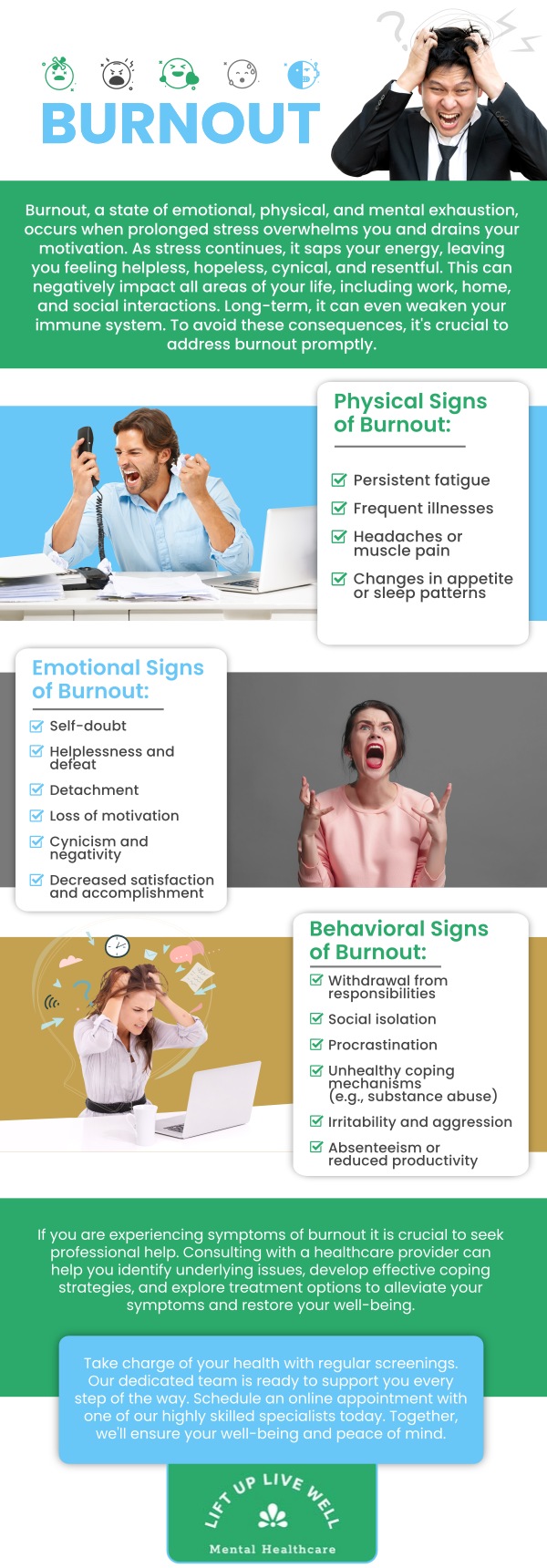
Table of Contents:
What is the best therapy for burnout?
How do you heal from burnout?
What are the 3 R’s of burnout?
Burnout therapy works best when a personalized, multi-faceted approach is used. Cognitive Behavioral Therapy (CBT) is one of the most effective treatments for burnout, as it focuses on identifying and changing negative thought patterns and behaviors that contribute to stress and emotional exhaustion. CBT helps individuals understand how their thoughts influence their stress levels, teaching them to reframe unrealistic expectations and develop healthier ways of managing challenges. This structured approach equips individuals with practical skills to manage burnout and prevent future episodes.
In addition to CBT, other therapies like mindfulness-based stress reduction (MBSR) and psychodynamic therapy can also be effective in addressing burnout. MBSR helps individuals learn to live in the present moment and develop a more balanced relationship with stress. It includes techniques like meditation, deep breathing, and body awareness exercises that promote relaxation and emotional regulation. Psychodynamic therapy, on the other hand, explores the deeper emotional and psychological causes of burnout, helping individuals uncover unconscious patterns and past experiences that contribute to their current stress. A combination of these therapeutic approaches can provide a comprehensive solution to burnout.
What to Expect from CBT Sessions:
Cognitive Behavioral Therapy (CBT) for burnout begins with the therapist working closely with the individual to identify negative thought patterns that exacerbate stress. These thought patterns can include perfectionistic tendencies, the belief that one must always be productive, or thoughts of inadequacy when it comes to handling workplace stress. The therapist will help the individual challenge these thoughts and replace them with more realistic, balanced perspectives. Sessions typically involve structured activities that address both the mental and physical aspects of burnout, including relaxation exercises, mindfulness practices, and time management strategies.
In CBT sessions, the focus is not just on identifying negative thoughts but also on developing coping mechanisms for managing stress. Therapists teach clients specific techniques for dealing with difficult emotions, like deep breathing and progressive muscle relaxation, which help reduce the physical tension associated with burnout. Additionally, the therapist may work with the individual to build better sleep hygiene practices, as poor sleep is a common factor in burnout. By the end of therapy, individuals can expect to feel more in control of their emotions and better equipped to handle the demands of their work without becoming overwhelmed.
Long-term Benefits of CBT for Burnout:
The long-term benefits of Cognitive Behavioral Therapy (CBT) for burnout extend beyond just symptom relief. After completing therapy, individuals are equipped with tools and strategies they can continue to use throughout their lives to manage stress and prevent future burnout. One of the most significant benefits of CBT is that it empowers individuals to recognize and change negative thought patterns that contribute to burnout. By learning how to identify stress triggers and use healthier coping strategies, individuals can build resilience and maintain a healthier work-life balance.
Research has shown that the benefits of CBT often last long after therapy ends. Individuals who have undergone CBT for burnout report continuing improvements in their emotional well-being and stress management skills, sometimes even six months or more after treatment. The skills learned during CBT, such as setting healthy boundaries, practicing self-care, and rethinking perfectionism, provide lasting tools that help individuals respond to future stress more effectively. This lasting impact makes CBT not only an effective short-term intervention but also an essential part of maintaining long-term mental health and preventing burnout from recurring.
Mindfulness-based Stress Reduction (MBSR):
Mindfulness-based Stress Reduction (MBSR) is an evidence-based therapy designed to help individuals manage stress by increasing awareness of the present moment. It teaches participants to observe their thoughts, feelings, and physical sensations without judgment, allowing them to respond to stress more calmly and effectively. MBSR includes practices such as meditation, deep breathing, and body awareness exercises that activate the body’s relaxation response, reducing the physiological effects of stress. Regular mindfulness practice has been shown to reduce emotional exhaustion, a key symptom of burnout, by helping individuals break free from the cycle of rumination and stress.
The long-term benefits of MBSR extend beyond stress management. By developing greater awareness of their thoughts and emotional states, individuals can improve their emotional regulation and prevent burnout from becoming chronic. In particular, mindfulness practice can help individuals learn to detach from negative thoughts and develop a healthier relationship with work stress. MBSR is often used in conjunction with other therapies, like CBT, to provide a holistic approach to burnout recovery. Individuals who consistently practice mindfulness report improved mental clarity, better emotional resilience, and a more balanced approach to managing work and personal challenges.
Psychodynamic Therapy for Burnout:
Psychodynamic therapy offers a deeper, introspective approach to understanding and treating burnout. Unlike other therapies, which focus primarily on symptom management, psychodynamic therapy aims to explore the emotional and psychological roots of burnout. This type of therapy helps individuals gain insight into unconscious patterns and unresolved emotional conflicts that contribute to their stress. By addressing the emotional underpinnings of burnout, psychodynamic therapy provides individuals with a deeper understanding of why they are vulnerable to stress and how they can break free from destructive patterns.
In psychodynamic therapy, individuals work closely with a therapist to explore early life experiences, relationships, and unresolved feelings that may contribute to current stress and burnout. This approach is especially beneficial for those who struggle with perfectionism, self-doubt, or difficulty setting boundaries in their professional or personal lives. Through regular therapy sessions, individuals can uncover the emotional causes of their burnout and work through deep-seated issues that contribute to their stress. While psychodynamic therapy may take longer than other therapeutic approaches, it can provide lasting change by helping individuals make fundamental shifts in how they relate to work, stress, and themselves.
Healing from burnout involves both immediate relief and long-term recovery strategies. The first step in healing is to acknowledge that burnout is a serious condition that requires professional intervention. This may involve taking time off work, getting adequate rest, and focusing on emotional self-care. Seeking therapy is essential in addressing the psychological aspects of burnout, as it allows individuals to understand the root causes of their stress and develop healthier ways of coping. Cognitive Behavioral Therapy (CBT) and mindfulness-based therapies are often highly effective in helping individuals manage stress and build emotional resilience.
Long-term healing from burnout involves making significant changes in how individuals approach work and personal life. This may include setting clear boundaries, reassessing career goals, and engaging in regular self-care practices. Additionally, addressing lifestyle factors such as poor sleep, lack of physical activity, and unhealthy work habits is essential for long-term recovery. Therapy can help individuals develop coping strategies that prevent burnout from recurring, allowing them to manage stress effectively and maintain a healthier work-life balance. Healing from burnout is a process that requires patience, but with the right support, individuals can regain control of their mental and emotional well-being.
Timeline for Burnout Recovery:
The timeline for burnout recovery can vary depending on the individual, the severity of burnout, and the treatment approach used. Most people who begin therapy for burnout start to notice improvements in their symptoms within 6-8 weeks, particularly when using therapies like Cognitive Behavioral Therapy (CBT). During this time, individuals learn practical skills for managing stress, improving emotional well-being, and creating healthier work habits. However, full recovery from burnout may take several months, especially for individuals dealing with deeply ingrained stress patterns or chronic burnout.
Recovery from burnout involves more than just symptom relief—it requires long-term behavioral changes and lifestyle adjustments to prevent burnout from recurring. This may involve setting healthier boundaries, learning how to prioritize self-care, and making meaningful changes in how work and personal life are managed. The recovery timeline depends on how committed individuals are to making these changes and maintaining the skills they learned in therapy. With continued practice of stress-management techniques and regular self-care, individuals can build resilience and prevent burnout from taking hold again in the future.
Combined Treatment Approaches:
For many individuals, the most effective approach to treating burnout involves combining multiple therapies and strategies. While Cognitive Behavioral Therapy (CBT) focuses on changing negative thought patterns, Mindfulness-Based Stress Reduction (MBSR) teaches individuals how to develop a more balanced relationship with stress. Combining these two therapies can help individuals manage their emotions and stress more effectively, leading to long-term improvements in their well-being. Additionally, psychodynamic therapy can be added to explore the deeper emotional causes of burnout and to address any underlying psychological issues.
Other interventions, such as professional coaching or stress management training, can also be beneficial for individuals dealing with burnout. These approaches focus on providing practical strategies for handling stress and building resilience. Many people find that using a combination of treatments provides the most comprehensive solution to burnout, as it addresses both the symptoms and the root causes of stress. A personalized, multi-faceted treatment plan can increase the likelihood of lasting recovery and help individuals prevent future burnout episodes.
The 3 R’s of burnout—Recognize, Reverse, and Resilience—are fundamental steps in both recovering from and preventing burnout. The first step, recognize, involves identifying the signs and symptoms of burnout, such as emotional exhaustion, detachment from work, and feelings of reduced effectiveness. Recognizing burnout early is crucial to preventing it from becoming a chronic issue. Once burnout is recognized, the next step is to reverse its effects. This involves taking action, such as seeking therapy, taking time off work, and implementing self-care strategies to reduce stress and begin the healing process.
The final step in addressing burnout is resilience. Building resilience involves developing coping strategies, learning how to manage stress, and creating a healthier relationship with work. Resilience allows individuals to handle future stress more effectively and prevent burnout from recurring. By focusing on the 3 R’s, individuals can take a proactive approach to managing burnout, ensuring that they not only recover from it but also build long-term strategies for maintaining their mental and emotional health in high-pressure environments.
At Lift Up Live Well Mental Healthcare, Nerisa Bryan, NP, PMHNP, is dedicated to providing personalized, compassionate care for individuals experiencing burnout and mental health challenges. With her extensive expertise in mental health, she understands the unique pressures faced by professionals and works closely with each client to address the emotional exhaustion, stress, and disconnection that often accompany burnout. Through a tailored approach that may include therapies like Cognitive Behavioral Therapy (CBT), mindfulness practices, and stress management techniques, Nerisa helps individuals regain balance, resilience, and a renewed sense of purpose. Reach out today to take the first step toward healing and creating a sustainable relationship with work and life. For more information, contact us or schedule an appointment online. We are conveniently located at 99 Main Street Suite 216 Nyack, NY 10960. We serve patients from Murray Hill NY, Manhattan NY, Lower Manhattan NY, Harlem NY, Hell’s Kitchen NY, Lenox Hill NY and surrounding areas of New Jersey.

ADDITIONAL SERVICES YOU MAY NEED

ADDITIONAL SERVICES YOU MAY NEED


 Send Text
 How May I Help You?