

Physical Symptoms of Anxiety: When to Seek Medical Help
At Lift Up Live Well in New York, NY, Nerisa Bryan, NP, PMHNP, helps patients recognize the physical symptoms of anxiety, such as increased heart rate, sweating, and muscle tension. While occasional anxiety is normal, persistent symptoms can interfere with daily life. If you experience frequent physical symptoms, it may be time to seek medical help. Our team provides personalized care to address both the physical and emotional aspects of anxiety. For more information or to schedule an appointment, contact us or book online.
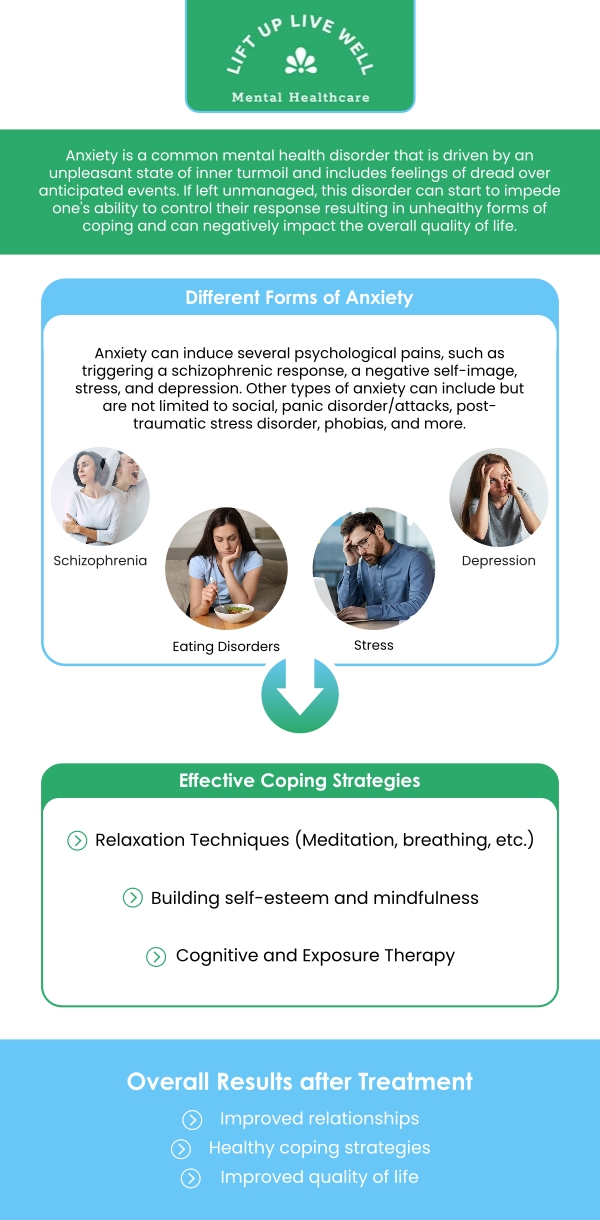
Table of Contents:
What physical symptoms are associated with anxiety?
Can anxiety cause chest pain or heart palpitations?
How do anxiety‑related headaches differ from other types of headaches?
What causes dizziness and shortness of breath with anxiety?
Can anxiety make you feel nauseous or have digestive issues?
How Does Neurobehavioral Health Support Patients in New York, NY, in Managing the Physical Symptoms of Anxiety?
Anxiety doesn’t just affect thoughts and emotions — it can trigger a wide range of physical symptoms that may feel very real and sometimes alarming. These physical responses come from activation of the body’s “fight or flight” system, which prepares you to respond to perceived threats. Common physical symptoms include:
● Increased heart rate or palpitations
● Muscle tension or aches
● Sweating or trembling
● Shortness of breath or rapid breathing
● Dizziness or lightheadedness
● Gastrointestinal discomfort (nausea, bloating)
● Fatigue or weakness
● Headaches or migraines
● Stomach aches or changes in digestion
Because these symptoms can overlap with medical conditions, it’s important to have a healthcare professional assess whether anxiety is contributing to or causing them.
Yes, anxiety can cause chest pain and heart palpitations, and these are among the symptoms that often worry people the most. When anxiety activates your body’s stress response, it can increase your heart rate and create sensations that feel like your heart is pounding, fluttering, or skipping beats.
Chest sensations triggered by anxiety may feel sharp, tight, or uncomfortable, but they are usually not related to heart disease if they occur in the context of anxiety symptoms and are short‑lived. That said, it’s very important to speak with a clinician if you experience chest pain for the first time, if it’s severe, or if it’s associated with other concerning symptoms like shortness of breath, fainting, or pain radiating to your arm or jaw. A medical evaluation can rule out cardiac causes and confirm whether anxiety is the likely source.
Anxiety‑related headaches are often linked to muscle tension, stress, and prolonged worry. These headaches may feel like:
● A tight band around the forehead or temples
● A dull, persistent pressure
● Pain that intensifies during periods of stress
Unlike migraines—which may involve nausea, light sensitivity, or visual disturbances—anxiety-related headaches tend to be more correlational to stress levels and may improve as anxiety decreases. Tension-type headaches are the most common form of anxiety-related headache, and they often respond well to relaxation techniques, stress management strategies, talk therapy, and lifestyle changes.
Dizziness and shortness of breath are related to the body’s physiological stress response. When anxiety spikes, your breathing pattern can change — often becoming rapid, shallow, and unsteady. This can result in:
● Hyperventilation, which reduces carbon dioxide in the blood
● A sense of lightheadedness or imbalance
● Feeling unable to get a “full breath”
These physical reactions can make you feel dizzy or faint, especially during a panic attack or intense anxiety episode. Learning breathing techniques and grounding strategies can help regulate your breath, reduce dizziness, and calm the nervous system.
Absolutely — anxiety is closely connected to the gut‑brain axis, which links emotional regulation and digestive function. When stress hormones are activated, they can:
● Slow or speed up digestion
● Trigger nausea or an upset stomach
● Causes diarrhea or constipation
● Increase abdominal cramping or bloating
This is one reason why people with anxiety may describe feeling “butterflies in the stomach” or experience persistent digestive discomfort during stressful periods. Over time, chronic anxiety can exacerbate conditions such as irritable bowel syndrome (IBS), making digestive symptoms more pronounced.
At Lift Up Live Well Mental Healthcare, we take a holistic and individualized approach to managing both the emotional and physical symptoms of anxiety. While anxiety often begins with thoughts or emotions, the physical effects — like chest sensations, dizziness, headaches, and digestive issues — can be just as disruptive. Our treatment approach focuses on understanding the whole person, not just individual symptoms.
Comprehensive Physical Symptom Evaluation: When you come in for an evaluation, we assess your physical symptoms alongside emotional and behavioral patterns. This helps us determine whether anxiety is a driving factor and rules out other medical causes.
Integrated Treatment Strategies: We use evidence‑based therapies that equip you with practical skills for reducing physical symptoms. By changing unhelpful thought patterns and teaching relaxation techniques, CBT can reduce tension, breathing irregularities, and stress responses that contribute to physical discomfort.
Breathing and Mind‑Body Techniques: Many patients benefit from tools that help regulate the body’s stress response, such as:
● Controlled breathing exercises
● Progressive muscle relaxation
● Mindfulness practices
● Guided imagery
These techniques help calm the nervous system, reducing symptoms like dizziness, chest tightness, and shallow breathing.
Psychoeducation and Self‑Management: Understanding how anxiety affects the body empowers you to respond differently. We educate patients about the body’s stress response, what triggers it, and how physical sensations relate to emotional states—reducing fear and escalation of symptoms.
Ongoing Support and Follow‑Up: Anxiety symptoms can change over time. Regular follow‑ups allow us to monitor progress, adjust treatment as needed, and support you in applying coping strategies outside the clinic.
Collaborative, Person‑Centered Care: We work with you — not at you — to set goals, evaluate what works best, and adapt care in a way that fits your lifestyle. Whether your primary concerns are physical discomfort, emotional distress, or both, our approach is compassionate, collaborative, and tailored to your unique experience. For more information or to schedule an appointment, contact us or book online. We serve patients from Murray Hill NY, Manhattan NY, Lower Manhattan NY, Harlem NY, Hell’s Kitchen NY, Lenox Hill NY and surrounding areas of New Jersey.

ADDITIONAL SERVICES YOU MAY NEED

ADDITIONAL SERVICES YOU MAY NEED



 Send Text
 How May I Help You?