

How Does ADHD Affect Daily Life?
At Lift Up Live Well Mental Healthcare, Nerisa Bryan, NP, PMHNP, helps patients understand how ADHD can affect routines, relationships, and emotional health. Challenges with time management and focus are common. With proper support, many patients develop effective coping strategies. For more information, contact us or schedule an appointment online. We are conveniently located at 99 Main Street Suite 216 Nyack, NY 10960.
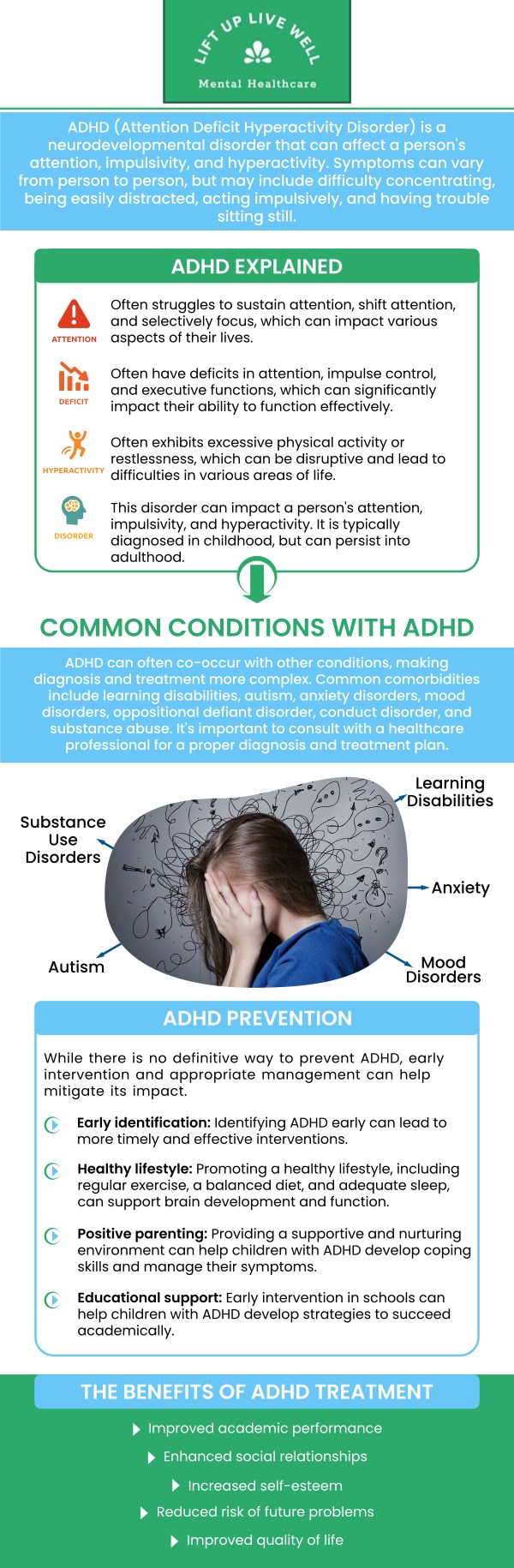
Table of Contents:
Can ADHD lead to accidents or injuries?
How does ADHD affect self-esteem?
In what ways does ADHD impact an individual’s ability to focus?
Can ADHD affect financial management?
Why Understanding ADHD in Children with Nerisa Bryan, NP, PMHNP, Can Improve Their Lives
ADHD can increase the likelihood of accidents or injuries due to the way attention, impulse control, and situational awareness impact everyday life. Individuals may struggle to consistently register their environment, especially in fast-moving or high-demand settings. This can affect activities such as driving, operating equipment, or even navigating crowded spaces, where delayed reactions raise the risk of injury. Impulsivity can also increase an individual’s susceptibility to accident or injury, particularly when actions occur before the individual has fully processed potential consequences. This may show up as rushing through tasks, multitasking in unsafe contexts, or reacting quickly to stress without pausing to assess risk. Over time, repeated minor accidents can occur.
In some cases, accidents may be the result of mental fatigue associated with ADHD. Sustaining attention over long periods can be draining for individuals with ADHD, and lapses often occur during transitions or at the end of the day. When cognitive resources are depleted, even familiar routines can become error-prone, increasing the chance of slips, falls, or other preventable incidents.
The specialists at Lift Up Live Well Mental Healthcare take these patterns into account when evaluating how ADHD affects daily functioning. Located in New York and led by Nerisa Bryan, NP, PMHNP, treatment for ADHD focuses on reducing risk while supporting overall mental health and stability.
ADHD can adversely impact self-esteem, especially through repeated experiences of feeling out of sync with expectations. From an early age, individuals may receive frequent feedback about missed details, unfinished tasks, or inconsistent performance. Over time, this pattern can quietly erode confidence and create a sense that something fundamental is lacking. As responsibilities increase, these feelings may intensify rather than resolve. Adults with ADHD often hold themselves to high standards and may feel aware of where they fall short. Struggles with organization, follow-through, or emotional regulation can be damaging to one’s self-esteem. Emotional sensitivity associated with ADHD can further influence self-perception. Criticism or perceived disappointment may linger longer and feel more personal, reinforcing negative self-beliefs. The individual may become hesitant to take risks or pursue opportunities due to fear of repeating past mistakes. This hesitation can limit growth and reinforce the cycle of low self-regard.
At Lift Up Live Well Mental Healthcare, self-esteem concerns are addressed as applicable to ADHD patients. Care addresses how ADHD overlaps with depression, anxiety, and stress-related conditions. Supporting emotional resilience alongside symptom management helps patients rebuild a more balanced and resilient sense of self.
Focus among ADHD patients is often inconsistent and difficult to retain for long periods. Individuals may experience periods of intense concentration followed by difficulty sustaining attention on tasks that feel routine or unengaging. This can be confusing to both the individual and those around them, especially when focus appears strong in certain situations and unreliable in others. Distractions can arise from both external and internal sources. Environmental noise, visual stimuli, or interruptions may pull attention away quickly, while internal thoughts can be just as disruptive. The mind may jump between ideas, concerns, or unfinished tasks, making it difficult to remain anchored to the present activity. This mental activity can feel productive yet ultimately interfere with task completion. Shifting from one task to another can often present difficulties rooted in mental recalibration, and individuals with ADHD may struggle to re-engage once attention has drifted. This can lead to prolonged delays, half-finished projects, or difficulty restarting tasks that were temporarily set aside.
The specialists at Lift Up Live Well Mental Healthcare evaluate focus within the broader context of cognitive and emotional functioning. Treatment planning addresses the factors influencing attention, including mood, stress levels, and overall mental well-being.
ADHD can influence financial management through challenges with planning, organization, and more. Tasks such as budgeting, tracking expenses, or paying bills on time require sustained attention and consistency. When these skills are strained, financial responsibilities may feel overwhelming or easy to postpone. Small lapses can accumulate into larger issues, creating stress that further complicates decision-making. Impulsivity may also affect spending habits. Purchases can occur in response to emotional states or momentary interest rather than long-term priorities. Even when the individual understands the consequences, acting in the moment can override careful planning. This pattern often leads to regret rather than satisfaction, reinforcing negative feelings around money management.
Avoidance can also develop as a response to these issues as they arise. When finances become associated with stress or shame, individuals may delay opening statements, checking balances, or addressing overdue obligations. Over time, avoidance can further deepen financial strain.
At Lift Up Live Well Mental Healthcare, providers patient concerns with financial difficulties intertwined with mental health conditions such as ADHD, anxiety, and depression. Care is designed to address these interconnected challenges. Supporting mental health stability can create the foundation needed for more effective financial decision-making and long-term well-being.
Understanding ADHD in children is crucial for providing the right support and intervention. Nerisa Bryan, NP, PMHNP, works with families to identify the signs of ADHD in children and develop strategies to help them succeed at home and in school. By providing clear guidance, tailored treatment, and behavioral strategies, Nerisa helps children with ADHD thrive and reach their full potential. For more information, contact us or schedule an appointment online. We are conveniently located at 99 Main Street Suite 216 Nyack, NY 10960. We serve patients from Murray Hill NY, Manhattan NY, Lower Manhattan NY, Harlem NY, Hell’s Kitchen NY, Lenox Hill NY and surrounding areas of New Jersey.

ADDITIONAL SERVICES YOU MAY NEED

ADDITIONAL SERVICES YOU MAY NEED


 Send Text
 How May I Help You?