

How to Manage Bipolar Depression Triggers in Daily Life
At Lift Up Live Well in New York, NY, Nerisa Bryan, NP, PMHNP, offers strategies to help individuals with bipolar depression manage daily triggers. Identifying potential triggers such as stress, lack of sleep, or changes in routine is crucial for managing symptoms. Our team provides personalized strategies, including coping techniques and medication, to help you maintain emotional stability and improve your quality of life. For more information, contact us or schedule an appointment online.
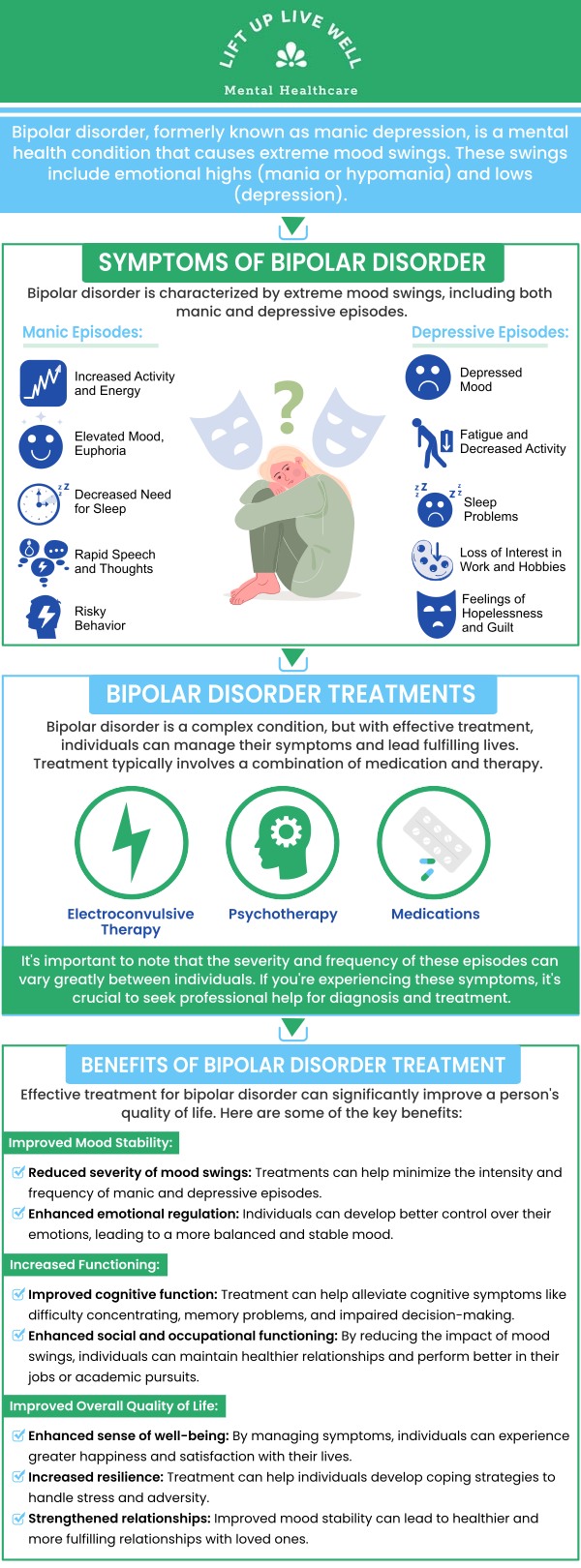
Table of Contents:
What are common triggers for bipolar depression?
How can I identify my own bipolar depression triggers?
How can I manage stress to prevent bipolar depression episodes?
What role does sleep play in managing bipolar depression triggers?
How Does Lift Up Live Well Mental Healthcare Help Patients Identify and Address the Symptoms of Depression?
Bipolar disorder involves cycles of mood changes, and bipolar depression — the low phase — can be brought on by specific triggers that destabilize mood. While triggers vary from person to person, some common ones include:
● Major Stress: Significant life events — such as relationship problems, financial pressures, job loss, or grief — can overwhelm emotional resilience and tip someone into a depressive episode.
● Disruptions in Routine: Irregular schedules, changes in daily structure, or interrupted routines can affect mood regulation, especially when it impacts sleep or activity.
● Sleep Disturbances: Sleep is closely tied to mood regulation. Both insufficient sleep and oversleeping can trigger depressive symptoms.
● Substance Use: Alcohol or recreational drugs can interfere with medication effectiveness and destabilize mood, increasing the risk of depression.
● Social Isolation: Lack of supportive connections, withdrawing from activities, or feeling alone can deepen depressive feelings.
● Seasonal and Environmental Changes: Shorter daylight hours, seasonal shifts, or even prolonged gloomy weather can trigger symptoms in sensitive individuals.
Understanding these common triggers helps you anticipate situations that may affect your well-being and take proactive steps to support your emotional balance.
Identifying your personal triggers is a crucial step in managing bipolar depression. While general triggers provide a starting point, everyone’s experience is unique. Here’s how you can identify your own:
● Track Your Mood Patterns: Keeping a mood diary helps you notice patterns over time. Record emotions, sleep, stressors, daily activities, and triggers. Over weeks and months, patterns often emerge.
● Review Life Events: Look at times when a low mood emerged. Was it after stressful work deadlines? Conflicts with loved ones? Major changes like moving or traveling? These associations can reveal triggers.
● Monitor Sleep and Activity: Notice how changes in your sleep schedule, diet, or physical activity affect your mood. Irregular routines often show up as precursors to depressive phases.
● Watch for Emotional Signals: Pay attention to early warning signs such as increased irritability, withdrawal from social contact, fatigue, or changes in appetite. These often precede deeper depressive symptoms.
● Identify Environmental and Seasonal Patterns: Notice how weather changes, holidays, or long winter nights affect your energy and mood.
By recognizing your triggers, you gain insight that empowers you to anticipate stress and implement strategies before symptoms escalate.
Stress management is a foundational part of preventing depressive episodes in bipolar disorder. Here are practical strategies you can incorporate into everyday life:
● Regular Routine: Maintaining a consistent daily schedule — including wake times, meals, and bedtime — supports emotional stability and reduces stress.
● Physical Activity: Regular exercise — even light walks — boosts endorphins and reduces tension. Physical activity supports mood regulation and overall well-being.
● Mindfulness and Relaxation: Techniques such as deep breathing, meditation, progressive muscle relaxation, or yoga can calm the nervous system and reduce stress responses.
● Healthy Boundaries: Learning to say no and protect your time helps reduce overwhelm. Prioritize commitments that support well-being, and avoid unrealistic expectations.
● Support Systems: Stay connected with supportive friends, family, or support groups. Talking with others and feeling understood can lower stress and create resilience.
● Professional Support: Counseling and therapy provide a structured space to process stress, develop coping skills, and explore underlying emotional responses.
● Time Outdoors and Sunlight: Exposure to natural light supports circadian rhythms and can have a positive effect on mood.
Managing stress is not about avoiding challenges but about building resilience and using tools that help you respond to stress in healthier ways.
Sleep plays a critical role in mood regulation. For individuals with bipolar disorder, disrupted sleep is one of the strongest predictors of mood shifts — including depressive episodes.
Why Sleep Matters
● Regulates Neurochemistry: Sleep affects neurotransmitters involved in mood, focus, and emotional balance.
● Supports Emotional Recovery: Restful sleep helps the brain process stress and emotional experiences.
● Stabilizes Routine: A consistent sleep schedule reinforces daily rhythms that support emotional stability.
Signs Sleep Affects Your Mood
● Mood changes after poor sleep
● Evening anxiety or insomnia
● Increased irritability or fatigue
Healthy Sleep Habits
● Regular sleep and wake times
● Avoiding screens 1–2 hours before bed
● Creating a calm bedtime routine
● Limiting caffeine and heavy meals near bedtime
● Using relaxation techniques before sleep
Good sleep doesn’t eliminate triggers, but it raises your threshold for stress and makes depressive episodes less likely.
At Lift Up Live Well Mental Healthcare, we take a comprehensive and personalized approach to help individuals understand, identify, and manage symptoms of bipolar depression.
Evaluation and Pattern Recognition: We begin with a thorough assessment that looks at mood history, daily rhythms, sleep patterns, stressors, life context, and early warning signs. This helps identify not just symptoms but also the patterns and triggers behind them.
Collaborative Planning: You and Nerisa work together to create a treatment plan tailored to your experience. Rather than a one‑size‑fits‑all approach, the plan reflects your goals, triggers, lifestyle, and priorities.
Educational Support: Understanding your condition — what depression looks like, how mood shifts develop, and what triggers may be involved — empowers you to respond confidently when symptoms arise. We provide clear, practical education about how triggers affect mood and how to build resilience.
Skill Development and Coping Strategies: Therapeutic support—such as cognitive‑behavioral approaches—equips you with tools to manage stress, regulate emotions, and interrupt early signs of depressive shifts.
Monitoring and Adjustment: Mood symptoms evolve. We schedule follow‑ups to check progress, adjust treatment, and refine strategies based on real‑life feedback. Long‑term support ensures you’re not navigating mood changes alone.
Holistic Care: Beyond symptom reduction, we focus on overall well-being — including stress management, sleep hygiene, lifestyle routines, and social support—so mood stability becomes sustainable, not temporary.
At Lift Up Live Well Mental Healthcare in New York, NY, we support you not just in resisting symptoms, but in strengthening resilience, improving insight, and living with greater confidence and balance — every step of the way. For more information, contact us or schedule an appointment online. We serve patients from Murray Hill NY, Manhattan NY, Lower Manhattan NY, Harlem NY, Hell’s Kitchen NY, Lenox Hill NY and surrounding areas of New Jersey.

ADDITIONAL SERVICES YOU MAY NEED

ADDITIONAL SERVICES YOU MAY NEED


 Send Text
 How May I Help You?