

Bipolar Depression Treatment NYC
At Lift Up Live Well Mental Healthcare, Nerisa Bryan, NP, PMHNP, provides comprehensive treatment for bipolar depression. Managing bipolar depression involves balancing mood swings and helping patients navigate both depressive episodes and manic periods. With personalized therapy and, when necessary, medication management, Nerisa works to create a stable treatment plan that allows patients to live healthier, balanced lives. For more information, contact us or schedule an appointment online. We are conveniently located at 99 Main Street, Suite 216 Nyack, NY 10960.
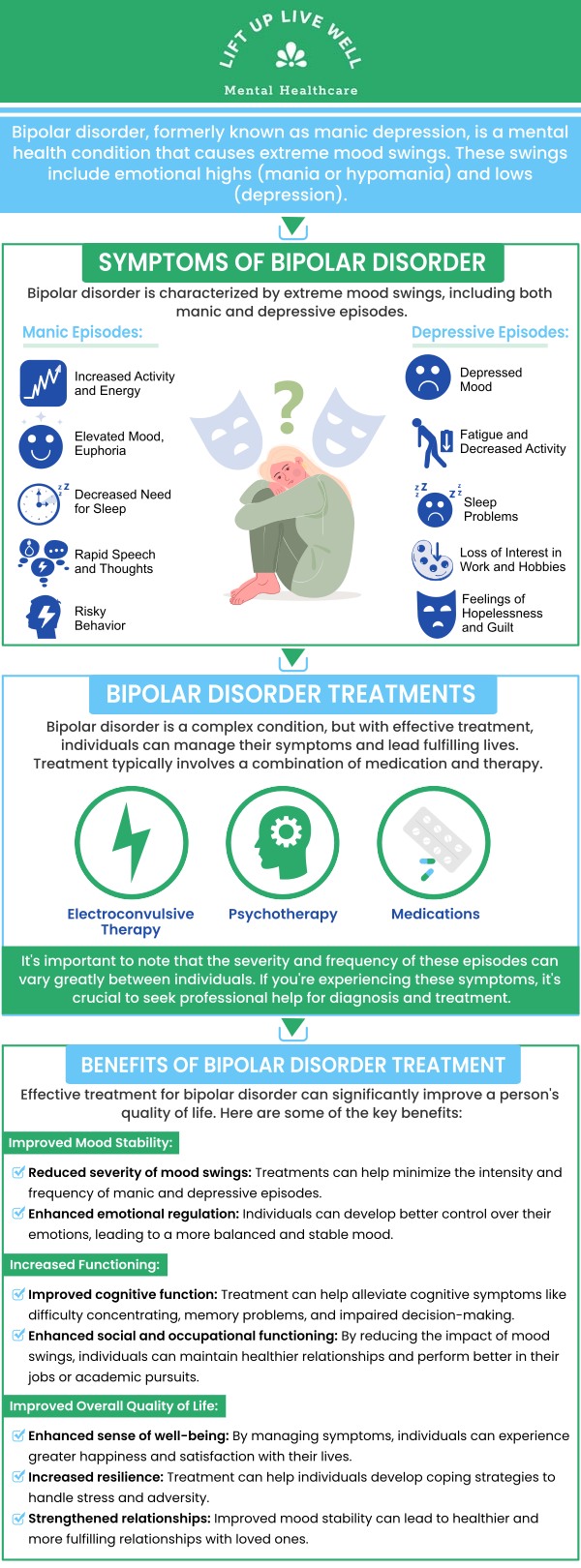
Table of Contents:
What treatments are available for bipolar depression?
How does therapy help with bipolar depression?
What are the symptoms of bipolar depression?
How long does treatment for bipolar depression take?
Why Bipolar Depression Treatment with Nerisa Bryan, NP, PMHNP, Supports Your Mental Health
Treatment for bipolar depression typically involves a balanced combination of medication management and psychotherapy according to patient needs. Mood stabilizers are often an important treatment component, as they help regulate the shifts between depressive and manic or hypomanic states. Certain antipsychotic medications may also be prescribed when depressive symptoms are severe or persistent. The goal of medication is to create steadiness in mood, helping engage patients in other aspects of recovery while minimizing the risk of triggering elevated episodes. Each plan is individualized based on symptom history, previous responses to treatment, and overall health profile.
Antidepressants may be used in some cases, though they are prescribed cautiously and usually alongside a mood stabilizer. Because bipolar disorder involves alternating mood states, treatment must account for the full spectrum of symptoms rather than focusing on depression alone. Careful monitoring allows providers to adjust dosages or combinations as the patient’s condition evolves. Psychotherapy is also typically incorporated into bipolar depression care. Structured therapeutic approaches help individuals understand mood patterns, recognize early warning signs, and develop strategies that reduce the intensity of depressive episodes. Lifestyle consistency, including stable sleep routines and stress management, often becomes part of the overall treatment structure.
At Lift Up Live Well Mental Healthcare, patients receive comprehensive bipolar depression care under the guidance of Nerisa Bryan, NP, PMHNP. The specialists focus on evidence-based treatment plans designed to support stability, functioning, and long-term emotional health for individuals living with bipolar disorder.
Therapy provides an opportunity for patients to explore how depressive episodes affect thoughts, behavior, and relationships. During bipolar depression, individuals often experience feelings of hopelessness, low motivation, and difficulty concentrating. Through structured sessions, patients learn to identify patterns that signal the beginning of a mood shift. Recognizing these early indicators allows for quicker intervention and reduced severity of episodes.
Cognitive behavioral strategies help address negative thinking patterns that accompany depressive phases. Individuals work on reframing self-critical beliefs and building routines that encourage gradual re-engagement in daily life. Therapy also supports accountability in maintaining medication adherence and lifestyle stability, both of which contribute to mood regulation.
Interpersonal and social rhythm therapy is another approach frequently used in bipolar care. This method prioritizes consistent daily routines, particularly around sleep and activity levels. Because disruptions in routine can influence mood cycling, establishing regular patterns often supports emotional steadiness.
The specialists at Lift Up Live Well Mental Healthcare tailor therapy to the unique presentation of each patient. Whether bipolar depression occurs alongside anxiety, PTSD, or other mood concerns, sessions are structured to strengthen resilience and promote greater self-awareness.
Bipolar depression shares many features with major depressive disorder, but it occurs within the broader pattern of bipolar mood cycling. Individuals may experience persistent sadness, low energy, and a loss of interest in activities that once felt meaningful. Concentration may decline, and everyday tasks can feel overwhelming. Sleep disturbances are common, including either excessive sleeping or difficulty maintaining rest. Feelings of worthlessness or guilt may intensify during depressive phases. Appetite changes, slowed thinking, and physical fatigue often accompany emotional heaviness. Some individuals describe a sense of mental fog that makes decision-making more difficult. The contrast between depressive episodes and periods of elevated mood can create additional confusion and frustration. Irritability may also appear, particularly in adolescents or young adults. Rather than outward sadness, some individuals present with agitation or withdrawal. In more severe cases, thoughts of self-harm or hopelessness may surface, requiring immediate clinical attention and support.
At Lift Up Live Well Mental Healthcare, careful diagnostic evaluation ensures that depressive symptoms are assessed within the context of bipolar disorder. Accurate identification supports more effective treatment planning and long-term stability.
Treatment for bipolar depression is generally ongoing, as bipolar disorder is a long-term condition that benefits from continuous management. While depressive symptoms may improve within weeks or months after initiating treatment, maintaining stability requires sustained care. Medication adjustments may occur periodically to align with symptom changes or life transitions. Psychotherapy often continues beyond the resolution of an acute depressive episode. Ongoing sessions help reinforce coping strategies, monitor mood patterns, and address stressors that could trigger relapse. Many individuals find that consistent therapeutic support strengthens confidence in managing future mood fluctuations.
The timeline varies based on severity, coexisting conditions, and adherence to treatment recommendations. Some patients achieve stable remission for extended periods, while others may require more frequent follow-up to maintain balance. Lift Up Live Well Mental Healthcare provides individualized treatment plans designed to support enduring emotional health. Patients receive attentive care aimed at helping them maintain stability, improve daily functioning, and move toward a more consistent sense of well-being.
Bipolar depression treatment is available at Lift Up Live Well Mental Healthcare.
Nerisa Bryan, NP, PMHNP, is dedicated to working closely with patients to provide effective bipolar depression treatment. By using a combination of medication, therapy, and lifestyle recommendations, she helps patients manage their condition and reduce the impact of mood swings. Her holistic approach ensures that each treatment plan is tailored to meet the needs of the individual, fostering long-term stability. For more information, contact us or schedule an appointment online. We are conveniently located at 99 Main Street Suite 216 Nyack, NY 10960. We serve patients from Murray Hill NY, Manhattan NY, Lower Manhattan NY, Harlem NY, Hell’s Kitchen NY, Lenox Hill NY and surrounding areas of New Jersey.

ADDITIONAL SERVICES YOU MAY NEED

ADDITIONAL SERVICES YOU MAY NEED


 Send Text
 How May I Help You?