

How Do You Know If Your Child Has ADHD?
At Lift Up Live Well Mental Healthcare, Nerisa Bryan, NP, PMHNP, supports families concerned about ADHD in children. Signs may include attention difficulties, impulsive behavior, and academic challenges. A thorough evaluation helps determine appropriate next steps. For more information, contact us or schedule an appointment online. We are conveniently located at 99 Main Street Suite 216 Nyack, NY 10960.
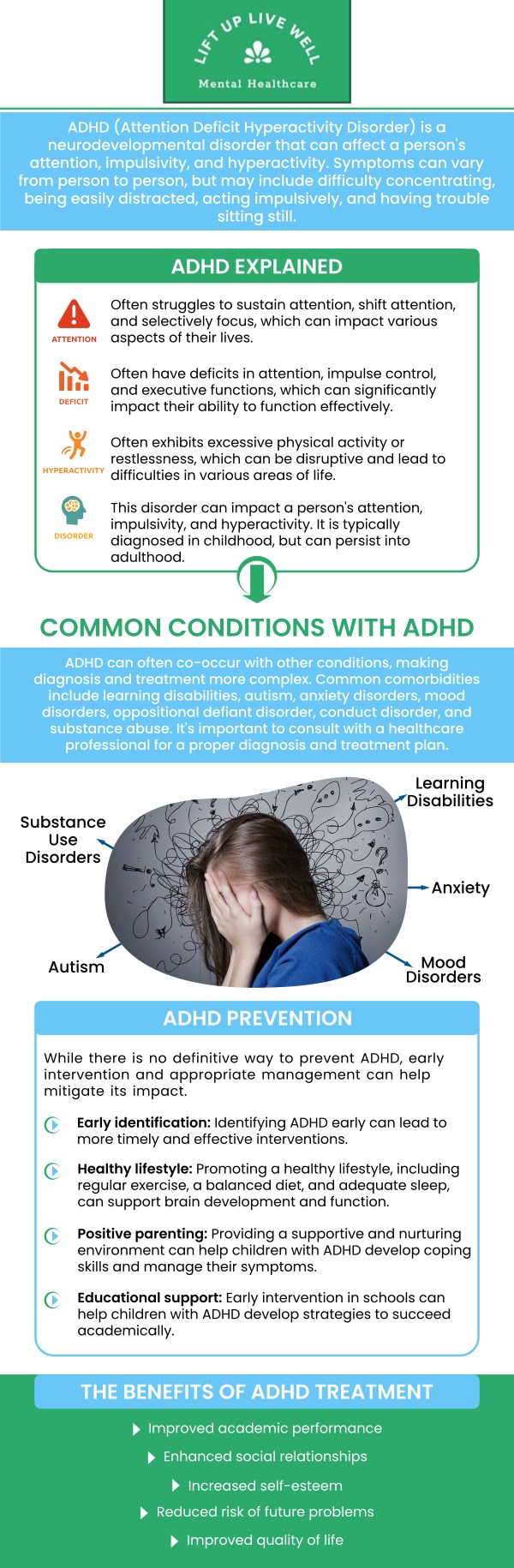
Table of Contents:
What are the initial signs of ADHD in children?
Is ADHD more common in boys or girls?
How does ADHD affect school performance in children?
Can ADHD cause behavioral problems in children?
Why Understanding ADHD in Children with Nerisa Bryan, NP, PMHNP, Can Improve Their Lives?
Early signs of ADHD in children can vary however, they often appear as patterns rather than isolated behaviors. A child may struggle to sustain attention during tasks that require focus, especially in structured environments such as classrooms or group activities. Teachers or caregivers may notice frequent daydreaming, difficulty following instructions from start to finish, or a tendency to lose track of materials. These behaviors tend to persist over time rather than appearing only during moments of fatigue or stress. Some children show early signs through heightened activity levels or impulsive responses. This can look like constant movement, difficulty remaining seated, or acting before thinking through consequences. In social settings, a child may interrupt conversations, speak out of turn, or have trouble waiting. These behaviors are often misinterpreted as defiance when they are more closely tied to challenges with self regulation and attention control.
Emotional patterns can also emerge early. A child with ADHD may experience frustration more quickly, especially when tasks feel overwhelming or require sustained mental effort. Mood shifts, sensitivity to feedback, or difficulty managing disappointment may surface alongside attention related concerns. These emotional responses are frequently linked to the child’s internal experience of feeling overstimulated or mentally scattered.
The specialists at Lift Up Live Well Mental Healthcare consider the early signs of ADHD that can vary from one child to another. Under the guidance of Nerisa Bryan, NP, PMHNP, evaluations consider cognitive, emotional, and behavioral patterns together. This comprehensive approach allows early concerns to be understood within the context of the child’s development and mental well being.
ADHD has been diagnosed more frequently in boys, particularly during early school years. Boys often display more externally visible symptoms such as hyperactivity or impulsive behavior, which tend to draw attention from educators and caregivers. These outward behaviors align closely with traditional diagnostic frameworks, contributing to higher identification rates in boys during childhood. Girls with ADHD often present differently, which can lead to underrecognition. Many girls experience inattentive symptoms that are quieter and less disruptive, such as internal distraction, difficulty organizing tasks, or mental restlessness. These patterns may be mistaken for shyness, anxiety, or lack of motivation, allowing symptoms to go unnoticed for longer periods.
As awareness has grown, studies have begun to recognize that ADHD affects boys and girls at more comparable rates than once believed. Differences lie more in presentation than prevalence. Girls may experience delayed diagnosis, sometimes not receiving support until academic demands or emotional strain increase during adolescence. At Lift Up Live Well, Mental Healthcare assessment approaches are designed to identify ADHD across its diverse potential presentations.
ADHD can significantly influence how a child navigates the academic environment. Challenges with attention and organization may make it difficult to complete assignments, follow multi-step instructions, or manage time effectively. Even children with strong intellectual abilities may struggle to demonstrate their knowledge consistently due to lapses in focus or task completion. In the classroom, ADHD may affect note-taking, test performance, and classroom participation. A child may miss key information during lessons or rush through work, leading to errors. Over time, these inconsistencies can affect grades and contribute to academic frustration for both the child and educators.
Social aspects of school life can also be impacted. Group projects, classroom discussions, and interactions require sustained attention and impulse control. Difficulties in these areas may lead to misunderstandings, disciplinary challenges, or feelings of isolation, further influencing a child’s school experience.
The specialists at Lift Up Live Well Mental Healthcare work with children with ADHD to navigate academic struggles. Treatment plans address attention regulation, emotional resilience, and stress management, supporting children as they build confidence and stability in academic settings.
ADHD can contribute to behavioral challenges, particularly when symptoms are misunderstood or unsupported. Impulsivity and difficulty with self-regulation may result in behaviors such as interrupting, emotional outbursts, or resistance to rules. These responses often stem from neurological differences rather than intentional misconduct. When children experience repeated correction or negative feedback, behavioral patterns may intensify. Frustration, low self-esteem, and emotional overload can influence how a child responds to authority figures or peers. Over time, this dynamic can create cycles of conflict that affect relationships at home and school.
Behavioral concerns associated with ADHD are often closely tied to environmental demands. Structured settings with high expectations for sustained attention may amplify symptoms, while supportive environments can reduce behavioral strain.
At Lift Up Live Well Mental Healthcare, behavioral concerns are approached with empathy and clinical insight. Care focuses on identifying the underlying causes of behavior, including attention regulation, emotional processing, and stress response. By addressing these core areas, treatment supports healthier behavior patterns and improved emotional well-being for children navigating ADHD.
Understanding ADHD in children is crucial for providing the right support and intervention. Nerisa Bryan, NP, PMHNP, works with families to identify the signs of ADHD in children and develop strategies to help them succeed at home and in school. By providing clear guidance, tailored treatment, and behavioral strategies, Nerisa helps children with ADHD thrive and reach their full potential. For more information, contact us or schedule an appointment online. We are conveniently located at 99 Main Street Suite 216 Nyack, NY 10960. We serve patients from Murray Hill NY, Manhattan NY, Lower Manhattan NY, Harlem NY, Hell’s Kitchen NY, Lenox Hill NY and surrounding areas of New Jersey.

ADDITIONAL SERVICES YOU MAY NEED

ADDITIONAL SERVICES YOU MAY NEED


 Send Text
 How May I Help You?