

What Are the Common Symptoms of OCD?
Obsessive-compulsive disorder (OCD) involves persistent, intrusive thoughts (obsessions) and repetitive behaviors (compulsions) performed to alleviate anxiety. Symptoms may include excessive cleaning, checking, counting, or repeating actions. Nerisa Bryan, NP, PMHNP at Lift Up Live Well Mental Healthcare, provides effective treatment options for those living with OCD. We work closely with each patient to develop a personalized treatment plan that promotes lasting relief and overall well-being. For more information, contact us or schedule an appointment. We are conveniently located at 99 Main Street Suite 216 Nyack, NY 10960.
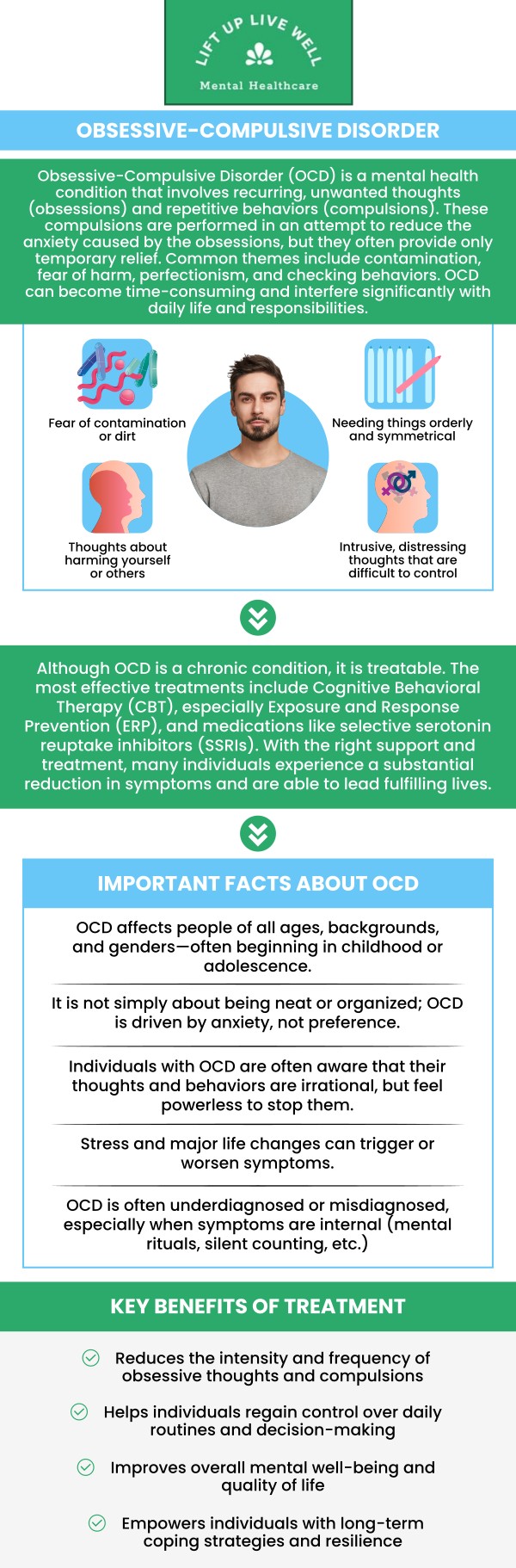
Table of Contents:
What are the most common symptoms of OCD?
How do I know if I have OCD?
Can OCD affect my daily life?
What causes obsessive thoughts and compulsive behaviors in OCD?
Can OCD symptoms vary from person to person?
Effective OCD Therapy with Nerisa Bryan, NP, PMHNP: A Path to Relief
At Lift Up Live Well Mental Healthcare, we understand how challenging it can be to live with Obsessive-Compulsive Disorder (OCD). OCD is a condition marked by persistent, unwanted thoughts and fears—called obsessions—that often drive individuals to engage in repetitive behaviors, or compulsions. Here are the most common symptoms of Obsessive-Compulsive Disorder (OCD):
● Obsessive Thoughts (Intrusive Thoughts): Persistent, unwanted thoughts or images that cause anxiety, fear, or discomfort. Common obsessions include fears of contamination, harming others, or making a mistake.
● Compulsive Behaviors (Rituals): Repetitive actions or mental rituals are performed in response to obsessive thoughts, such as washing, checking, counting, or repeating actions to relieve anxiety or prevent feared outcomes.
● Excessive Washing or Cleaning: Repeatedly washing hands, cleaning surfaces, or avoiding contact with “contaminated” objects due to fear of germs, dirt, or contamination.
● Checking Behaviors: Constantly checking things, such as locks, switches, or appliances, to ensure safety or prevent harm, even if it’s irrational.
● Orderliness and Symmetry: A need for things to be arranged in a certain order or symmetrical. A person with OCD may become distressed if objects are out of place.
● Mental Compulsions: Performing mental rituals such as counting, praying, or repeating words or phrases in the mind to reduce anxiety or prevent harm.
● Fear of Harm or Catastrophic Events: Obsessions related to causing harm to oneself or others, often leading to excessive checking or precautions to prevent accidents or disasters.
● Avoidance of Triggers: Avoiding certain situations, objects, or places that may trigger obsessive thoughts, such as avoiding dirt or situations that might cause contamination.
● Distress or Anxiety: Significant distress and anxiety when compulsions are not performed or when obsessive thoughts cannot be controlled.
● Time-Consuming Rituals: Rituals that take up a significant amount of time (more than an hour per day), disrupt daily activities, work, or social relationships.
If these symptoms are interfering with daily life, it’s important to seek professional support for diagnosis and treatment. At Lift Up Live Well Mental Healthcare, we understand the challenges that OCD symptoms can bring to your daily life. Our compassionate team, led by Nerisa Bryan, NP, PMHNP, is here to provide you with personalized care and evidence-based treatments to help you manage and reduce OCD symptoms.
Obsessive-Compulsive Disorder (OCD) is a complex mental health condition marked by persistent, unwanted thoughts or urges (obsessions) and repetitive behaviors or mental rituals (compulsions) that individuals feel compelled to perform. At Lift Up Live Well Mental Healthcare, we understand how overwhelming and isolating OCD can feel, and we’re here to help you find relief and regain control. Here are common signs that may indicate you have Obsessive-Compulsive Disorder (OCD):
● Recurrent, Intrusive Thoughts (Obsessions): You experience persistent, unwanted thoughts that cause anxiety or discomfort, such as fears of contamination, harming others, or making a mistake.
● Compulsive Behaviors or Rituals: You feel compelled to perform certain actions or rituals (e.g., washing, checking, repeating) in response to your obsessive thoughts to relieve anxiety or prevent a feared event from occurring.
● Time-Consuming Rituals: The compulsive behaviors take up significant time, often more than an hour per day, interfering with your daily activities, work, or relationships.
● Difficulty Controlling Thoughts or Behaviors: You try to resist or stop the obsessive thoughts and compulsive actions, but find it difficult or impossible to do so, even when you know they are excessive.
● Fear of Harm or Negative Consequences: Your obsessive thoughts are often driven by a fear of causing harm or disaster, and the compulsions are performed to avoid such outcomes, even if there is little to no real danger.
● Distress and Anxiety: You experience significant distress, anxiety, or frustration when you cannot complete the rituals or when the obsessive thoughts persist.
● Avoidance of Triggers: You may go out of your way to avoid situations or places that trigger your obsessive thoughts or compulsive behaviors.
● Impairment in Daily Functioning: OCD symptoms may interfere with work, school, relationships, and general life responsibilities, affecting your overall well-being.
If you identify with several of these signs and they’re impacting your life, it may be worth speaking to a mental health professional for an evaluation and appropriate support. At Lift Up Live Well Mental Healthcare, our experienced mental health professionals are dedicated to providing compassionate, evidence-based care for individuals struggling with OCD. We offer thorough assessments, personalized treatment plans, and ongoing support to help you manage symptoms and improve your quality of life.
At Lift Up Live Well Mental Healthcare, we understand how deeply obsessive-compulsive disorder (OCD) can affect daily life. People living with OCD often struggle with persistent, unwanted thoughts (obsessions) and feel driven to perform repetitive behaviors (compulsions) to ease the distress these thoughts cause. These cycles can consume significant time and energy, making it difficult to stay focused at work, school, or in personal relationships.
Everyday tasks—like getting dressed, preparing meals, or simply leaving the house—can become overwhelming when interrupted by rituals or intrusive thoughts. The anxiety and stress associated with OCD may even lead individuals to avoid certain situations altogether, which can contribute to social isolation and challenges in meeting daily responsibilities. Over time, these difficulties can result in frustration, shame, or depression.
At Lift Up Live Well Mental Healthcare, we believe that no one should have to face OCD alone. Our compassionate team offers evidence-based treatments and personalized support to help individuals manage their symptoms, regain control, and enhance their overall well-being.
At Lift Up Live Well Mental Healthcare, we recognize that obsessive-compulsive disorder (OCD) is a complex and often misunderstood mental health condition. OCD is characterized by persistent, intrusive thoughts (obsessions) and repetitive behaviors or mental acts (compulsions) that can significantly impact daily life and well-being. Here are the common causes of obsessive thoughts and compulsive behaviors in Obsessive-Compulsive Disorder (OCD):
● Genetic Factors: OCD can run in families, suggesting a genetic predisposition. Certain genetic traits may make individuals more susceptible to developing the disorder.
● Brain Chemistry and Structure: Imbalances in brain chemicals like serotonin, dopamine, and glutamate may contribute to the development of OCD. Changes in brain structure, particularly in areas related to decision-making and behavior regulation, may also play a role.
● Environmental Stressors: Traumatic events, abuse, or high levels of stress during childhood or adulthood can trigger or exacerbate OCD symptoms. Stressful life events may increase the intensity of obsessive thoughts.
● Cognitive Factors: People with OCD may have specific cognitive patterns, such as overestimating the likelihood of danger or believing that certain thoughts are morally wrong. These distorted thought patterns can lead to repetitive behaviors aimed at reducing perceived risks.
● Learned Behaviors: OCD behaviors can sometimes develop as a learned response to anxiety or discomfort. For example, an individual may begin performing certain rituals to alleviate distress caused by specific thoughts.
● Personality Factors: Certain personality traits, such as perfectionism or an excessive need for control, can make individuals more vulnerable to developing OCD.
● Infections or Autoimmune Disorders (in rare cases): In some cases, infections like streptococcal throat infections have been linked to the sudden onset of OCD symptoms, particularly in children, due to a condition known as PANDAS (Pediatric Autoimmune Neuropsychiatric Disorders Associated with Streptococcal infections).
At Lift Up Live Well Mental Healthcare, we recognize that the symptoms of Obsessive-Compulsive Disorder (OCD) can vary significantly from one individual to another. While OCD is generally characterized by intrusive, unwanted thoughts (obsessions) and repetitive behaviors (compulsions), the nature and intensity of these symptoms can differ greatly. Some individuals may experience mild symptoms that only occasionally interfere with daily life, while others may have more severe symptoms that disrupt their work, relationships, and overall well-being. The obsessions and compulsions may also differ—some individuals may focus on cleanliness, while others may have concerns about harm, safety, or orderliness.
Understanding the unique ways OCD presents itself is critical in providing effective treatment. At Lift Up Live Well Mental Healthcare, we tailor our approach to meet the specific needs of each patient. Our team, led by Nerisa Bryan, NP, PMHNP, takes the time to carefully assess each case of OCD, considering all aspects of the individual’s symptoms, lifestyle, and mental health. This personalized approach ensures that we address the root causes of the disorder and develop a treatment plan that is both effective and manageable.
Recognizing and respecting the diversity of OCD presentations is central to our philosophy. If you or a loved one is struggling with OCD, our experienced team at Lift Up Live Well Mental Healthcare is here to provide understanding, accurate diagnosis, and evidence-based treatment. Through therapy, mindfulness techniques, and support, we help individuals manage their OCD symptoms and improve their quality of life, empowering them to lead a more fulfilling and balanced life.
Obsessive-Compulsive Disorder (OCD) can be a challenging condition, but with the right therapy, relief is possible. At Lift Up Live Well Mental Healthcare, Nerisa Bryan, NP, PMHNP, specializes in providing effective treatment for OCD, combining therapeutic approaches with a compassionate understanding of each patient’s unique experience.
Nerisa takes a holistic approach to OCD therapy, addressing not only the symptoms but also the underlying factors contributing to the condition. By working closely with each patient, Nerisa develops personalized treatment plans that incorporate both behavioral strategies and mental health support. Her goal is to empower individuals with OCD to regain control of their lives, reduce anxiety, and improve their overall mental and emotional well-being. With professional guidance and support, those struggling with OCD can find a path to relief and enjoy a more balanced, fulfilling life.
For more information, contact us or schedule an appointment. We are conveniently located at 99 Main Street Suite 216 Nyack, NY 10960. We serve patients from Murray Hill NY, Manhattan NY, Lower Manhattan NY, Harlem NY, Hell’s Kitchen NY, Lenox Hill NY and surrounding areas of New Jersey.

ADDITIONAL SERVICES YOU MAY NEED

ADDITIONAL SERVICES YOU MAY NEED


 Send Text
 How May I Help You?