

What are the Common Symptoms of Depression?
At Lift Up Live Well in New York, NY, Nerisa Bryan, NP, PMHNP, helps patients understand the common symptoms of depression, including persistent sadness, loss of interest in activities, fatigue, and changes in appetite or sleep patterns. If you experience these symptoms, seeking professional help is the first step toward managing and overcoming depression. Our team provides a personalized treatment plan tailored to your needs, helping you regain control over your emotional well-being. For more information, contact us or schedule an appointment online.
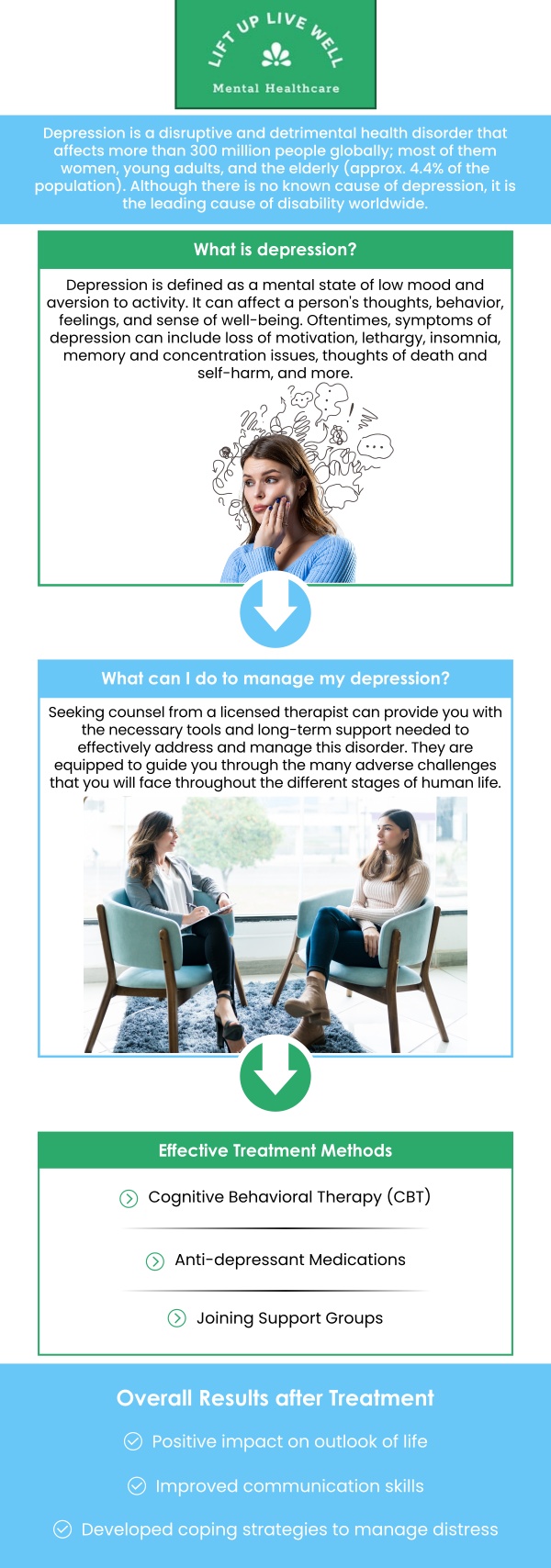
Table of Contents:
What are the common signs of depression?
How do I know if I am experiencing depression or just feeling sad?
Can depression cause physical symptoms like fatigue or body aches?
How does depression affect sleep patterns?
How Does Lift Up Live Well Mental Healthcare Help Patients Identify and Address the Symptoms of Depression in New York, NY?
Depression is more than just a temporary low mood — it’s a clinical condition that affects thoughts, emotions, behavior, and physical well‑being. While everyone feels “down” sometimes, depression involves persistent symptoms that interfere with daily life. Common signs include:
● Persistent low mood or sadness lasting most of the day, nearly every day
● Loss of interest or pleasure in activities once enjoyed
● Change in appetite or significant weight gain/loss
● Sleep disturbances — either insomnia or oversleeping
● Fatigue, low energy, or slowed movements
● Difficulty concentrating, making decisions, or remembering things
● Feelings of worthlessness or excessive guilt
● Irritability or restlessness
● Physical symptoms such as headaches, digestive issues, or body aches with no clear medical cause
● Thoughts of death or suicide
These symptoms can vary in intensity and presentation, but often persist for at least two weeks before a diagnosis of depression is considered.
It’s normal to feel sad or discouraged from time to time—especially in response to stressful life events. What sets clinical depression apart are several key factors:
● Duration: Sadness tied to a specific event usually fades within days or weeks. Depression tends to persist for weeks or months.
● Pervasiveness: Depression affects most areas of life — it doesn’t simply come and go with mood‑boosting activities. You may feel “stuck” or unable to feel pleasure even when something good happens.
● Functional Impact: Depression often interferes with everyday functioning — work, school, relationships, and self‑care — whereas typical sadness may not significantly disrupt routines.
● Physical Symptoms: While sadness feels mainly emotional, depression can show up as physical symptoms (fatigue, aches, sleep problems, appetite changes) without an obvious medical cause.
● Loss of Interest: A hallmark of depression is anhedonia — the inability to enjoy things you once liked, even when you want to.
If symptoms are persistent, interfere with your roles and responsibilities, or feel heavier than what a tough situation would typically produce, it may be depression rather than “just sadness.”
Yes — depression often presents with physical symptoms, and these are just as real as emotional ones. Depression affects the nervous system, stress hormones, immune activity, and brain chemistry—all of which influence the body.
Common physical symptoms include:
● Chronic fatigue or low energy
● Muscle aches, joint pain, or unexplained discomfort
● Headaches or migraines
● Digestive problems, such as nausea, constipation, or abdominal discomfort
● Changes in appetite or weight
● Generalized aches with no clear medical cause
Sometimes physical symptoms are the first thing someone notices, and they may seek a medical evaluation before realizing emotional factors are involved. A comprehensive evaluation considers both physical and emotional symptoms, ensuring depression isn’t overlooked.
Sleep disturbances are among the most common and impactful symptoms of depression. These can take different forms:
● Insomnia: Difficulty falling asleep, frequently waking during the night, or waking too early and being unable to fall back asleep.
● Hypersomnia: Sleeping more than usual, feeling the need to nap during the day, or still feeling tired after long periods of sleep.
● Fragmented Sleep: Even if total sleep quantity seems adequate, the sleep may be restless or non‑restorative.
Depression disrupts the body’s natural sleep‑wake cycle and stress hormone patterns, making it harder to get refreshing sleep. Poor sleep then worsens mood and energy, creating a cycle that can be difficult to break without targeted support.
At Lift Up Live Well Mental Healthcare, we take a comprehensive and individualized approach to identifying and treating depression. Rather than focusing on a single symptom or using a one‑size‑fits‑all strategy, we look at the whole person — emotional patterns, physical symptoms, daily functioning, stress triggers, life history, and coping resources.
Our approach often includes several integrated elements:
● Thorough Clinical Evaluation: We begin with a detailed assessment of your symptoms, history, and current challenges. This includes asking about mood, sleep patterns, energy levels, physical discomfort, appetite changes, cognitive focus, and how symptoms affect your daily functioning. This helps distinguish depression from normal sadness and other conditions.
● Collaborative Care Planning: Based on your evaluation, we develop a personalized care plan that aligns with your goals and medical history. This may include therapy, medication consultation, holistic strategies, or a combination, depending on what best supports your recovery.
● Evidence‑Based Therapy: We use effective therapeutic approaches and other structured interventions to help you identify negative patterns of thought, build coping skills, and shift patterns that contribute to depressive cycles.
● Symptom Management” Whether your symptoms are emotional, physical, or both, we help you learn tools to manage them effectively. This includes:
○ Sleep stabilization techniques
○ Stress management strategies
○ Techniques to reduce fatigue and physical discomfort
○ Behavioral activation (engaging in meaningful activities)
● Supportive Follow‑Up: Depression is not static — symptoms evolve, and treatment plans need adjustment. Regular follow‑up ensures we can refine your care and address new challenges as they arise. You don’t navigate this alone; ongoing support is a core part of our program.
● Strengthening Resilience: Alongside reducing symptoms, we focus on building resilience and coping tools that empower you to respond differently to stress, life transitions, and emotional upheaval.
Lift Up Live Well Mental Healthcare in New York, NY, offers evaluations and treatment plans that consider your whole experience—including emotional and physical symptoms. With clinical expertise and compassionate support, we help you understand your depression, manage its symptoms, and move toward greater stability and well-being.
If you’re experiencing persistent sadness, energy changes, sleep disturbances, or physical symptoms linked to mood, reaching out for an evaluation can be a powerful step toward feeling better. We’re here to help you every step of the way. For more information, contact us or schedule an appointment online. We serve patients from Murray Hill NY, Manhattan NY, Lower Manhattan NY, Harlem NY, Hell’s Kitchen NY, Lenox Hill NY and surrounding areas of New Jersey.

ADDITIONAL SERVICES YOU MAY NEED

ADDITIONAL SERVICES YOU MAY NEED



 Send Text
 How May I Help You?